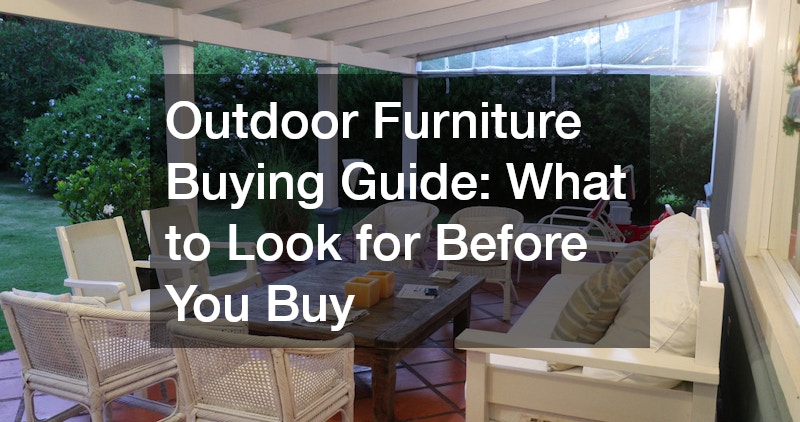
Outdoor furniture is essential for creating aesthetically pleasing and functional outdoor living spaces. Thoughtfully chosen furniture can transform patios, gardens, and backyards into inviting areas for relaxation and entertainment.
Key considerations include weather resistance, ease of maintenance, and comfort.
Understanding the durability of outdoor furnishings in diverse weather is crucial. Investing in high-quality pieces saves money over time, with less need for replacements. Aligning furniture with your home’s style and color palette ensures a seamless transition between indoor and outdoor areas.
1. What Materials are Best for Outdoor Furniture?
A. Understanding Weather Resistance
Choosing the right materials for outdoor furniture ensures longevity and performance. Synthetic wicker withstands UV exposure, making it ideal for sunny areas, while teak wood resists mold and rot in humid climates.
Contemporary metal furniture often uses rust-resistant aluminum. Powder-coated steel and wrought iron are also sturdy choices, capable of enduring wind and rain. Seasonal maintenance, like applying sealant, can prolong the life of wood and metal furniture.
B. Comparing Durability and Longevity
Durability is key when investing in outdoor furniture. Teak, known for its dense grain and oil content, resists water damage and lasts 20 to 50 years with care. Plastic furniture, although affordable, degrades under sunlight. Powder-coated aluminum combines lightweight properties with corrosion resistance.
Maintenance, like sanding wood or applying rust inhibitors to metal, ensures longevity. Understanding material maintenance guides suitable choices for upkeep commitments.
C. Weighing Aesthetics vs. Practicality
The aesthetic appeal of outdoor furniture influences purchase decisions. It’s important that design complements both outdoor and indoor spaces. Practicality should dictate furniture choice, with versatile designs blending aesthetic appeal with functionality.
Choosing neutral-toned main furniture and adding color through accessories balances practicality and style. This ensures visual appeal and livability.
2. How to Choose the Right Size and Style?
A. Assessing Your Outdoor Space
Before purchasing, assess your space to ensure furniture fits without overwhelming the area. Small terraces need space-saving solutions, while larger gardens can have distinct zones with various furniture arrangements.
Visualization tools can help determine furniture placement for maximum utility. Ultimately, understanding space dynamics steers decisions toward complementing selections.
B. Matching Styles with Your Home Aesthetic
Harmonizing exterior spaces with your home’s style creates a seamless indoor-outdoor transition. Matching materials and colors enhance cohesion, like traditional homes with Adirondack chairs or modern homes with sleek designs.
Using accent decor and textiles refines stylistic connections, enhancing both curb appeal and overall experience.
C. Flexibility and Functionality
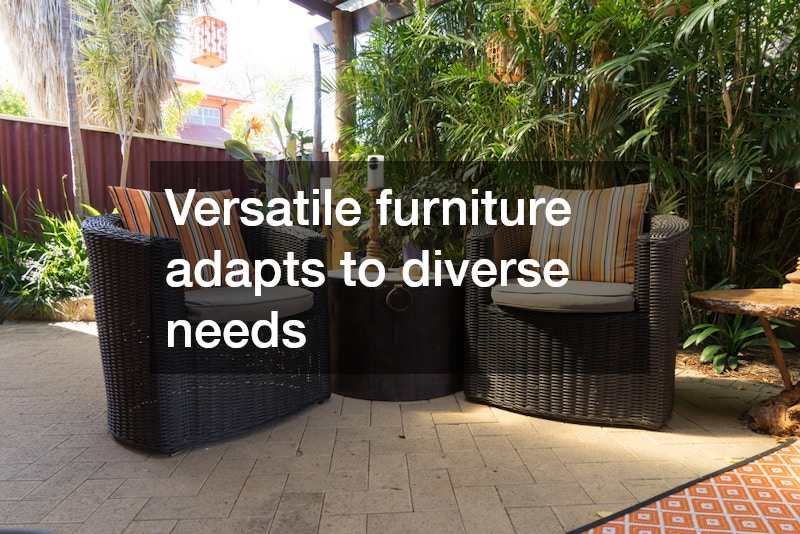
Versatile furniture adapts to diverse needs. Modular pieces allow configuration changes, while storage solutions enhance organization. Movable furniture allows layout adjustments based on changing needs.
Emphasizing flexibility ensures dynamic outdoor spaces that meet evolving lifestyle demands.
3. What is the Ideal Budget for Outdoor Furniture?
A. Setting a Realistic Budget
Establish a budget that balances financial constraints and furniture quality. Allocate funds for key items and accessories, allowing for unexpected expenses.
Research cost-effective materials that offer durability and appeal within budget parameters, ensuring quality without compromise.
B. Balancing Cost with Quality
Balancing cost and quality involves evaluating material durability and maintenance. Comparative shopping and buying during off-peak seasons can lower costs.
Prioritizing durable materials may have a higher upfront cost but provides long-term savings. Focus on sustainable decisions for valuable outdoor investments.
C. Tricks for Finding Deals and Discounts
Explore savings opportunities like online deals, retailer promotions, and end-of-season sales. Verify warranty terms to ensure consumer protections on sale-based transactions.
With a strategic approach, you can acquire premium furniture that enhances spaces and meets financial goals.
Making Informed Decisions When Purchasing Outdoor Furniture
Selecting outdoor furniture requires evaluating material resilience, aesthetics, space, and budget. A balance between practicality and charm enhances utility and appeal. Affordability and investment alignment ensure satisfaction with purchases.
Through comparative shopping and deal opportunities, acquire pieces that offer lasting value. With knowledge, create harmonious, inviting environments that reflect personal taste and practical needs.